
Delving into the realm of Top 5 Business Private Healthcare Plans for Remote Teams, this introductory paragraph aims to pique the interest of readers, providing a glimpse into the world of tailored healthcare solutions for remote work settings.
As we explore the top 5 private healthcare plans designed specifically for remote teams, we'll uncover the unique features, benefits, and considerations that businesses need to keep in mind.
Overview of Business Private Healthcare Plans for Remote Teams
Private healthcare plans are crucial for remote teams as they provide essential medical coverage and support to employees working from different locations. These plans offer a range of benefits tailored to the specific needs of remote workers, ensuring access to quality healthcare services regardless of their location.
Key Features of Private Healthcare Plans for Remote Teams
Telemedicine Services
Remote employees can easily consult with healthcare professionals through virtual appointments, making healthcare more accessible and convenient.
Flexible Coverage Options
Private healthcare plans often offer customizable coverage options to meet the diverse needs of remote team members, providing flexibility in choosing the right level of coverage.
International Coverage
Some plans include international coverage, which is beneficial for remote teams with employees working across different countries, ensuring they receive healthcare support wherever they are located.
Mental Health Support
Many private healthcare plans now include mental health services, recognizing the importance of mental well-being for remote workers who may face isolation and stress.
Wellness Programs
These plans often incorporate wellness programs to promote healthy living and prevent health issues, encouraging remote employees to prioritize their well-being.
Benefits of Tailored Healthcare Plans for Remote Employees
Improved Employee Morale and Retention
Providing tailored healthcare plans demonstrates a commitment to employee well-being, boosting morale and increasing employee retention rates within remote teams.
Enhanced Productivity
Access to quality healthcare services and wellness programs can contribute to improved employee health and productivity, benefiting the overall performance of remote teams.
Cost-Effective Solutions
Tailored healthcare plans can offer cost-effective solutions for remote employees, ensuring they receive necessary medical care without incurring high out-of-pocket expenses.
Competitive Advantage
Offering comprehensive healthcare benefits can give businesses a competitive edge in attracting top talent and retaining skilled remote workers in a competitive job market.
Peace of Mind
Tailored healthcare plans provide remote employees with peace of mind, knowing that they have access to medical support and resources when needed, regardless of their work location.
Top 5 Business Private Healthcare Plans for Remote Teams
When it comes to providing healthcare benefits for remote teams, it is crucial to choose the right private healthcare plan that meets their unique needs. Here are the top 5 business private healthcare plans specifically tailored for remote teams:
1. Blue Cross Blue Shield
Blue Cross Blue Shield offers a comprehensive range of healthcare services, including virtual doctor visits, mental health support, and prescription drug coverage. Their plans are known for their extensive network of healthcare providers, making it easier for remote employees to access quality care regardless of their location.
2. Aetna
Aetna provides flexible healthcare plans that cater to the diverse needs of remote teams. Their plans often include telemedicine services, wellness programs, and preventive care benefits. Aetna is also known for its excellent customer service and user-friendly online tools, making it convenient for remote employees to manage their healthcare needs.
3. Cigna
Cigna offers customizable healthcare plans that can be tailored to the specific requirements of remote teams. Their plans typically include coverage for mental health services, chronic condition management, and preventive care. Cigna also provides access to a wide network of healthcare providers and resources to support the well-being of remote employees.
4. UnitedHealthcare
UnitedHealthcare is a popular choice for businesses with remote teams due to its flexible healthcare plans and innovative digital health solutions. Their plans often include virtual care options, wellness programs, and personalized support for managing chronic conditions. UnitedHealthcare also offers tools for tracking health metrics and monitoring progress towards health goals.
5. Kaiser Permanente
Kaiser Permanente is known for its integrated healthcare delivery system that combines medical care, insurance, and wellness programs. Their plans typically include access to a wide range of healthcare services, such as telehealth visits, mental health support, and preventive screenings.
Kaiser Permanente focuses on promoting holistic health and well-being for remote employees.
Considerations for Choosing a Healthcare Plan for Remote Teams
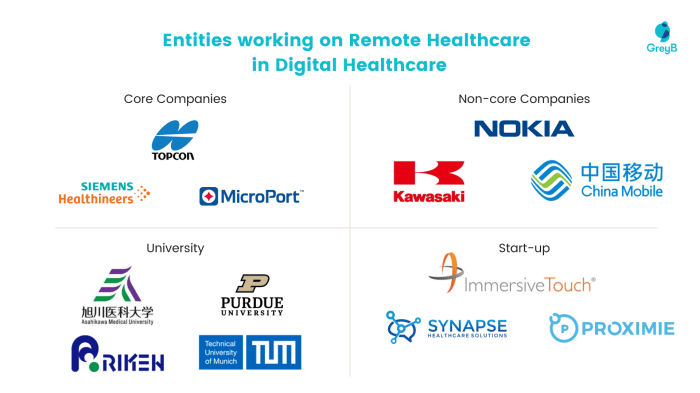
When selecting a healthcare plan for remote employees, there are several important factors to consider. The unique nature of remote work requires a different approach to healthcare benefits compared to traditional in-office settings. Here are some key considerations to keep in mind:
Importance of Flexibility and Scalability
One of the most crucial aspects of a healthcare plan for remote teams is flexibility and scalability. Remote employees may be located in different states or countries, so the plan needs to be adaptable to different regulations and healthcare systems.
Additionally, as your remote team grows, the healthcare plan should be able to scale accordingly to accommodate new members.
- Look for a plan that offers telemedicine services to provide remote employees with access to healthcare professionals without the need for in-person visits.
- Consider a plan that allows employees to choose their preferred healthcare providers, even if they are located outside the plan's network.
- Ensure the plan includes coverage for mental health services, as remote work can sometimes lead to feelings of isolation and stress.
Tips for Evaluating and Choosing a Healthcare Plan
To ensure you select the most suitable healthcare plan for your remote workforce, consider the following tips:
- Survey your remote employees to understand their specific healthcare needs and preferences.
- Compare different healthcare plans from multiple providers to find one that offers the best balance of coverage and cost.
- Consult with a benefits advisor who specializes in remote workforce healthcare to get expert guidance on selecting the right plan.
Implementation and Management of Healthcare Plans for Remote Teams
Implementing a private healthcare plan for remote teams involves several key steps to ensure seamless access to healthcare services and optimal management of benefits for employees.
Steps for Implementing a Private Healthcare Plan
- Research and Selection: Begin by researching and selecting a private healthcare plan provider that offers comprehensive coverage suitable for remote teams.
- Customization: Work with the chosen provider to customize the healthcare plan to meet the specific needs of remote employees, considering factors such as location, demographics, and health requirements.
- Communication: Clearly communicate the details of the healthcare plan to remote team members, including coverage, benefits, and access to healthcare services.
- Enrollment: Facilitate the enrollment process for remote employees, providing guidance and support to ensure all team members are successfully enrolled in the healthcare plan.
- Training: Provide training to remote employees on how to effectively utilize and maximize their healthcare benefits, including accessing telemedicine services and understanding coverage options.
Best Practices for Managing and Optimizing Healthcare Benefits
- Regular Communication: Maintain open and clear communication with remote team members regarding healthcare benefits, updates, and any changes to the plan.
- Feedback Mechanism: Establish a feedback mechanism to gather input from remote employees on their healthcare experiences, preferences, and suggestions for improvement.
- Wellness Programs: Implement wellness programs and initiatives to promote employee health and well-being, complementing the healthcare plan benefits.
- Cost Management: Monitor and manage healthcare costs effectively, ensuring a balance between providing quality benefits and controlling expenses.
- Compliance: Stay informed about healthcare regulations and compliance requirements to ensure the healthcare plan meets legal standards and guidelines.
Strategies for Ensuring Seamless Access to Healthcare Services
- Telemedicine Services: Encourage remote employees to utilize telemedicine services for convenient and timely access to healthcare professionals.
- Mobile Apps: Provide access to healthcare-related mobile apps that offer resources, information, and tools for remote team members to manage their health effectively.
- Emergency Protocols: Establish clear protocols and procedures for remote employees to follow in case of medical emergencies, ensuring quick and efficient response and support.
- Remote Health Resources: Offer access to online resources and support networks that provide remote employees with information, guidance, and assistance for their healthcare needs.
- Feedback and Support: Encourage feedback from remote team members on their healthcare experiences and provide ongoing support to address any issues or concerns promptly.
Future Trends in Business Private Healthcare Plans for Remote Teams
As the landscape of remote work continues to evolve, so too do the healthcare offerings for remote teams. Companies are constantly looking for innovative ways to provide comprehensive healthcare benefits to their remote employees. Let's explore some of the emerging trends in business private healthcare plans for remote teams and how these plans might evolve in the future.
Increased Focus on Mental Health Support
One of the future trends in business private healthcare plans for remote teams is an increased focus on mental health support. With the rise of remote work, employees may face unique challenges that impact their mental well-being. Companies are recognizing the importance of providing resources such as virtual counseling services, mental health apps, and employee assistance programs to support the mental health of their remote workforce.
Integration of Telemedicine and Virtual Health Platforms
Another trend we can expect to see is the integration of telemedicine and virtual health platforms into business private healthcare plans for remote teams. Telemedicine allows employees to access healthcare services remotely, reducing the need for in-person visits to healthcare providers.
This not only provides convenience for remote employees but also helps companies save on healthcare costs.
Customized Wellness Programs
Companies are also likely to offer more customized wellness programs as part of their business private healthcare plans for remote teams. These programs may include virtual fitness classes, nutrition coaching, mindfulness sessions, and incentives for healthy lifestyle choices. By tailoring wellness programs to meet the unique needs of remote employees, companies can promote a culture of health and well-being within their remote teams.
Wrap-Up
In conclusion, the discussion on Top 5 Business Private Healthcare Plans for Remote Teams sheds light on the importance of customized healthcare solutions for remote employees. By understanding the nuances of these plans, businesses can better cater to the health needs of their remote workforce, ensuring a productive and healthy work environment.
Question Bank
What are the key features to look for in private healthcare plans for remote teams?
Key features to consider include telemedicine services, coverage for virtual consultations, mental health support, and flexible payment options tailored to remote work setups.
How can businesses evaluate the most suitable healthcare plan for their remote workforce?
Businesses can evaluate healthcare plans by considering factors such as network coverage, cost-effectiveness, flexibility in services, and the ability to cater to the unique health needs of remote employees.
Do private healthcare plans for remote teams typically include coverage for international employees?
Some private healthcare plans offer international coverage, but businesses need to check the specifics of each plan to ensure that it aligns with the needs of their global remote workforce.