

Embark on a journey to uncover the essentials of liability insurance for flooring installers. From understanding the importance to navigating different coverage types, this guide delves into crucial aspects that every installer should be aware of.
Exploring the risks, protections, and considerations surrounding liability insurance, this guide equips flooring installers with the knowledge needed to safeguard their business.
Importance of Liability Insurance for Flooring Installers
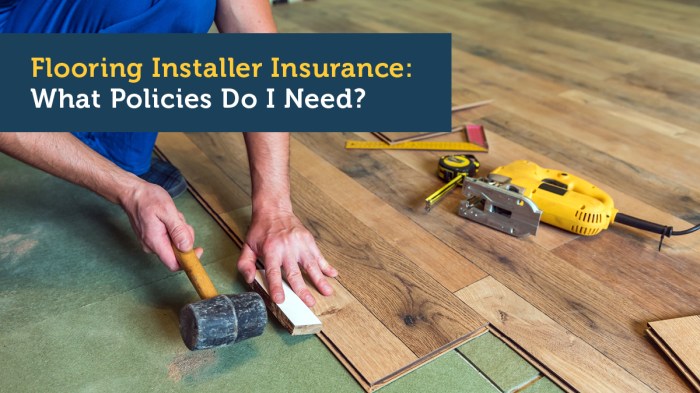
Liability insurance is a crucial aspect for flooring installers as it provides protection in case of unforeseen circumstances that may lead to financial losses. It serves as a safety net for any potential risks that may arise during the course of their work.
Potential Risks for Flooring Installers
- Accidental damage to property: Flooring installers may accidentally damage a client's property while working on a project, leading to costly repairs.
- Personal injury: Injuries to clients or bystanders on the job site can result in lawsuits and medical expenses.
- Errors or omissions: Mistakes in the installation process, such as incorrect measurements or faulty workmanship, can result in dissatisfied clients seeking compensation.
Protection from Financial Losses
Liability insurance provides coverage for legal fees, settlements, and damages that may arise from claims or lawsuits related to the above risks. It ensures that flooring installers are not held personally liable for such incidents, safeguarding their financial stability and reputation in the industry.
Types of Liability Insurance Coverage
When it comes to liability insurance coverage for flooring installers, there are several types to consider. It's important to understand the differences between general liability insurance, professional liability insurance, and commercial auto insurance to ensure you have the right coverage for your business.
General Liability Insurance
General liability insurance provides coverage for third-party bodily injury, property damage, and advertising injury claims. This type of insurance is essential for flooring installers as it protects you in case a client or visitor is injured on the job site, or if there is damage to property during the installation process.
Professional Liability Insurance
Professional liability insurance, also known as errors and omissions insurance, offers protection against claims of negligence, errors, or omissions in your work. For flooring installers, this type of coverage can be crucial in case a client alleges that your workmanship was subpar or resulted in damages to their property.
Commercial Auto Insurance
Commercial auto insurance is necessary if you use vehicles for your flooring installation business. This type of insurance covers damages and injuries resulting from accidents involving your company vehicles. It's important to have this coverage to protect your business assets in case of any unforeseen incidents on the road.
Factors to Consider When Choosing Liability Insurance
When selecting liability insurance, flooring installers must carefully consider various factors to ensure they have adequate coverage for their business needs.
Size and Nature of the Business Impact
The size and nature of the flooring installation business play a significant role in determining the appropriate liability insurance coverage. Larger businesses with more employees and higher revenue may require higher coverage limits to protect against potential claims. On the other hand, the nature of the business, such as the types of flooring materials used or the complexity of installations, can also impact insurance needs.
It's essential for flooring installers to assess these factors to determine the right level of coverage.
Tips for Determining Coverage Limits and Deductibles
Evaluate the potential risks
Consider the potential risks associated with flooring installation work, such as property damage, bodily injury, or errors in installation. Assessing these risks can help determine the appropriate coverage limits.
Consult with an insurance agent
Seek guidance from an insurance agent specializing in liability insurance for flooring installers. They can provide valuable insights into the coverage options available and help determine the right coverage limits and deductibles for your business.
Review past claims
Analyze any past claims or incidents to identify patterns and areas where additional coverage may be necessary. This information can help you make informed decisions about coverage limits and deductibles.
Consider industry standards
Take into account industry standards and regulations when determining coverage limits. Ensure that your liability insurance meets the requirements set forth by regulatory bodies and industry best practices.
Claims Process and Coverage Limitations
When it comes to liability insurance for flooring installers, understanding the claims process and coverage limitations is crucial. This knowledge can help ensure that you are adequately protected in case of any unforeseen incidents.
Typical Process for Filing a Liability Insurance Claim
- Notify your insurance provider as soon as the incident occurs. Provide all relevant details and documentation.
- An insurance adjuster will assess the situation and determine the coverage applicable to your policy.
- You may need to provide additional information or cooperate with the investigation process.
- Your insurance provider will handle the settlement process and cover eligible expenses up to the policy limit.
Common Limitations or Exclusions in Liability Insurance Policies
- Intentional acts or negligence may not be covered under liability insurance.
- Damages caused by faulty workmanship or materials may also be excluded.
- Certain types of claims, such as pollution or professional liability, may require separate coverage.
- Coverage limits can vary, so it's essential to review your policy carefully to understand what is included.
Steps to Ensure Adequate Coverage in Case of a Claim
- Regularly review and update your liability insurance policy to reflect the nature of your work and potential risks.
- Consider additional coverage options or endorsements to fill any gaps in your existing policy.
- Maintain detailed records of your projects, contracts, and communication with clients to provide evidence in case of a claim.
- Work with a reputable insurance provider who understands the flooring industry and can offer tailored coverage solutions.
Final Summary
In conclusion, being informed about liability insurance can make a significant difference in the success and security of flooring installers. With the right coverage and understanding, installers can confidently tackle any challenges that come their way.
FAQ Resource
What are some common risks that flooring installers may face?
Common risks include property damage, injuries on the job, and dissatisfied clients.
What types of liability insurance are essential for flooring installers?
General liability insurance and professional liability insurance are crucial for flooring installers to protect against various risks.
How can flooring installers determine the appropriate coverage limits?
Factors such as the size of the business, nature of work, and potential risks should be considered when determining coverage limits.
What are some common limitations in liability insurance policies?
Limitations may include coverage exclusions for certain types of claims or restrictions on coverage amounts.